
Can my child be autistic if they are affectionate and sociable?
Why affection, eye contact, empathy and wanting company do not rule autism out, and what social communication differences may look like in sociable children.
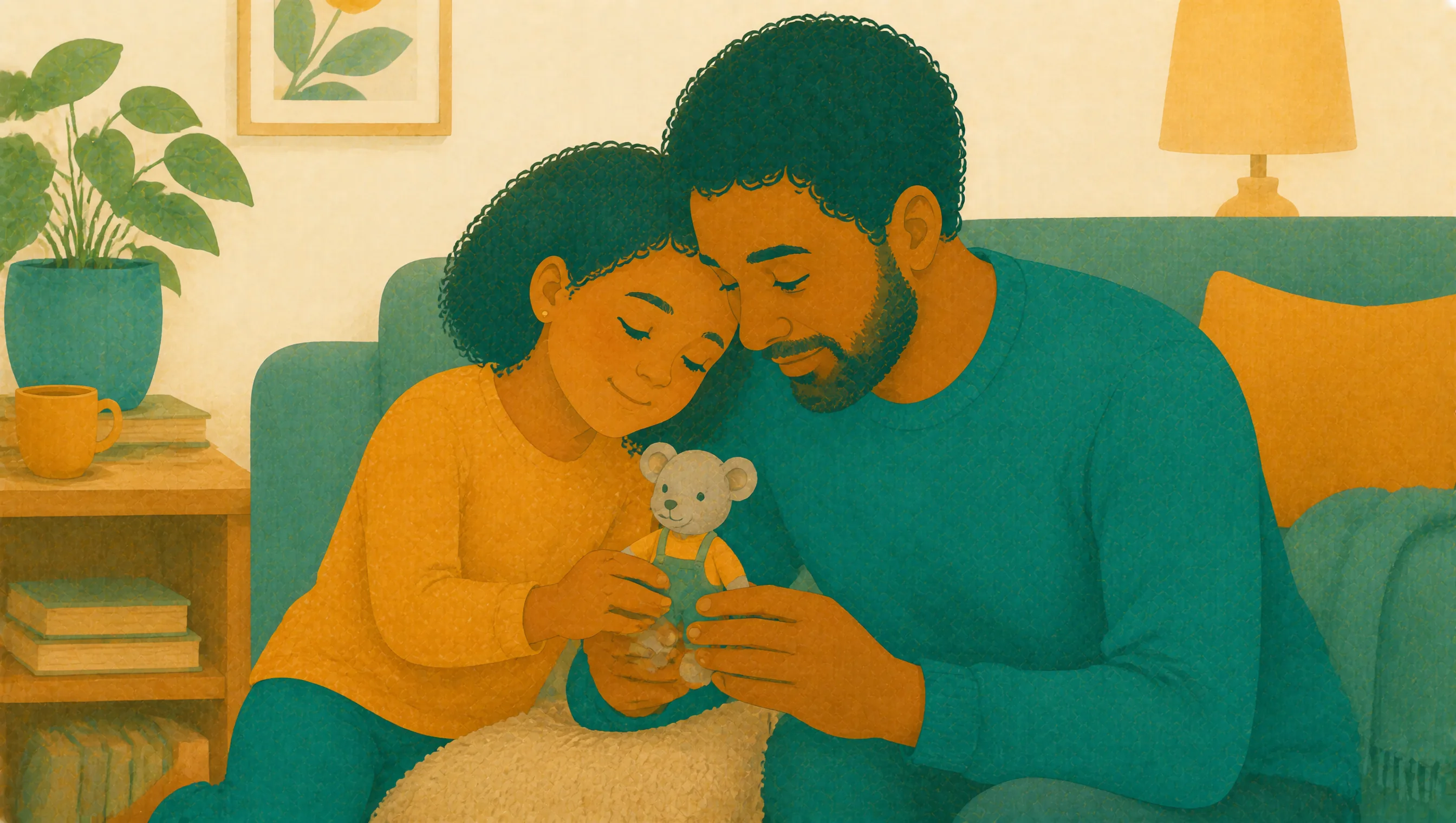
The short answer
Yes. Autism does not mean that a child lacks affection, empathy or interest in people. A sociable autistic child may actively seek company while finding the timing, interpretation and flexibility of interaction difficult. They might approach people readily but miss signs that somebody wants to stop, copy peers to work out what to do, speak fluently without managing a balanced conversation, or need substantial recovery after social contact. Assessment considers the quality and developmental pattern of communication and interaction alongside repetitive behaviour, interests, flexibility and sensory experience. No single social behaviour rules autism in or out.
- Wanting people and finding interaction easy are different questions.
- Eye contact, affection, smiling, humour and empathy can all be present in autistic children.
- Social communication includes timing, reciprocity, interpretation and adapting to context.
- A child may connect in ways that other people overlook.
- Look at effort, misunderstandings and recovery as well as sociability.
You have read your 3 free articles
Continue reading with FamilyFX membership
We keep three articles free so you can see whether FamilyFX is written for you before you pay for anything. Membership opens the full Library, all eight modules, fourteen deep guides, eight practical packs and eight tools for £79.99 a year.
Already a member? Sign in and this page opens straight away.
NeuroFX patients can use an access code for a free first year. Enter it on the join page.