
How do I help my teenager look after their body and hygiene?
Break washing, teeth, hair, clothes, skin and deodorant into accessible tasks without shame, force or assumptions about maturity.
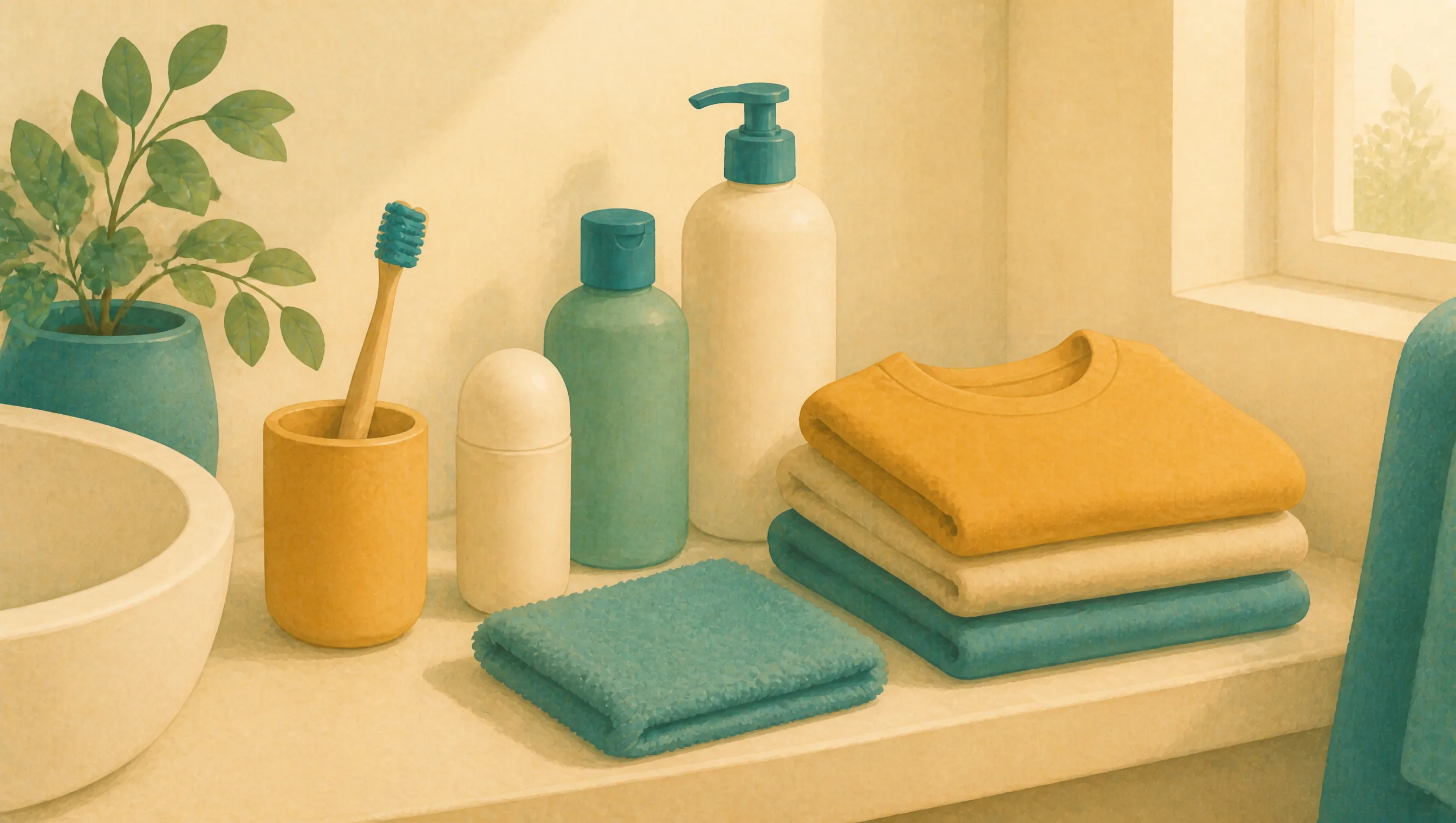
The short answer
Treat hygiene as several separate tasks, not a verdict on maturity or self-respect. Washing the body, washing hair, brushing teeth, using deodorant, changing clothes, caring for skin, shaving and managing periods each require different sensations, steps and timing. Ask which part is difficult. The barrier may be pain, water pressure, smell, texture, motor effort, initiation, memory, time awareness, privacy, fatigue or missing information. Explain the health or practical reason without disgust or social threats. Then change the difficult part: offer a wash at the sink, unscented products, a softer brush, clothes that are easier to change, visible supplies, one agreed cue or a shorter sequence. Let the teenager choose products and protect privacy. Give the least hands-on help that makes the task possible, and review it as skills change. Seek dental or health advice for pain, bleeding gums, infected or severe acne, sudden changes in sweating or smell, skin problems, or a marked decline in self-care that may reflect illness or mental-health difficulty.
- Separate body-care tasks and identify the barrier inside each one.
- Explain the purpose without disgust, ridicule or threats about friendship.
- Offer product, method and timing choices where the outcome permits them.
- Protect privacy while keeping needed assistance available.
- Check pain, skin, dental and mental-health concerns when self-care changes.
Hygiene arguments often gather several tasks into one accusation. "You need to look after yourself" may refer to hair, teeth, clothes, deodorant and a shower, each with its own barrier.
A teenager can know the task matters and still be unable to start, sequence or tolerate it. Separate the work before choosing the support.
Make a body-care map
List what the teenager currently needs to manage. Depending on the person, this might include:
- washing hands, face and body;
- washing, drying and brushing hair;
- brushing teeth and attending dental care;
- using deodorant or antiperspirant;
- changing underwear, socks and clothes;
- managing laundry;
- skin and acne care;
- shaving or other hair removal if wanted;
- nail care;
- period care; and
- cleaning glasses, hearing aids or other equipment.
Mark each task as working, difficult or needing health advice. Do not try to rebuild the whole list in one week.
Find the point where the task stops
Ask the teenager to show or describe the sequence. Look for the first point they cannot reliably cross.
Sensation: water hitting skin, temperature changes, steam, wet hair, mint, foam, smell, sticky cream, a buzzing shaver or damp fabric.
Pain: sensitive teeth, bleeding gums, eczema, acne, joint pain, headaches, tangled hair or a tender scalp.
Starting: leaving a preferred activity, entering a cold bathroom or beginning a task with no visible end.
Sequence: remembering supplies, body areas, rinsing, drying and clean clothes.
Motor demand: opening caps, squeezing the right amount, reaching, washing long hair, tying it back or handling period products.
Time: not noticing how long has passed, underestimating drying time or being rushed before school.
Privacy: fear of interruption, unwanted help or adults discussing the task.
Information: not knowing what has changed during puberty or what "wash properly" means.
The same refusal can therefore need different answers.
Explain the reason without shame
Give a brief, factual reason. Sweat itself has little smell, but bacteria on skin and clothes can contribute to body odour. Puberty can increase sweat and skin oil, so an earlier routine may need updating.1
Clean teeth reduce the build-up that contributes to tooth decay and gum problems. Clean, dry clothes can reduce lingering odour and skin irritation. Skin care may help comfort and treat acne, but spots are not evidence of poor character.
Avoid:
- "Nobody will want to sit near you";
- "You are disgusting";
- public comments;
- sibling comparisons; and
- claiming that a particular appearance is required for maturity.
Social consequences can be discussed honestly without threatening rejection:
Your shirt is holding a strong sweat smell today. Other people may notice it even if your nose has become used to it. We need a clean shirt and a way of washing your underarms that you can tolerate.
Change the method, not the health aim
A shower is one way to wash, not the definition of being clean. Alternatives can include a bath, a wash at the sink, a flannel, a handheld shower, washing one body area at a time or body wipes as an interim option.
Try changes connected to the barrier:
- adjust water pressure and temperature;
- warm the bathroom first;
- use unscented or differently textured products;
- replace an electric toothbrush with a suitable manual brush, or the reverse;
- use a timer that shows when the task will end;
- put products in order of use;
- wash hair separately from the body;
- choose an easier hairstyle or detangling routine;
- keep clean clothes within reach; and
- allow recovery time after a demanding task.
NHS community guidance describes regular washing, clean clothes, dental care and deodorant as practical parts of teenage hygiene.12 Frequency and method still need to account for the person's body, activity, health and access needs. Do not turn one local service's generic routine into a rigid rule for everybody.
Give one cue, not a stream of reminders
Repeated prompts can make a task feel endless before it begins. Agree the cue when both of you are calm.
Options include:
- a phone reminder chosen by the teenager;
- the task following a stable event, such as arriving home from sport;
- a card showing only the next step;
- products placed visibly; or
- one spoken reminder followed by a planned check.
Define what the cue means. "Get ready" may contain teeth, face, deodorant, medication, clothes and a bag. "Brush teeth now; I will leave the bathroom free for ten minutes" is clearer.
If the cue repeatedly fails, ask whether the time, task or support is wrong. Louder reminders do not solve a sensory or motor barrier.
Treat teeth as their own task
Toothbrushing can fail for reasons that have little to do with showering. Mint may burn, foam may cause gagging, the brush may hurt, two minutes may feel unbounded or the teenager may not know which surfaces to reach.
Ask a dentist about pain, bleeding, sensitivity and suitable products. At home, test one change at a time: a different flavour, a suitable manual or electric brush, a visual order, a mirror, a timer or brushing at a less rushed point in the day. Keep toothpaste use and dental advice age-appropriate.
Do not use a painful dental visit as a threat. If the teenager cannot tolerate routine care, tell the dental practice in advance and ask what adjustments, familiarisation or staged approach it can offer. A parent may still need to organise appointments and supplies while the teenager gains control of the daily task.
Keep the routine realistic on low-capacity days
Agree a minimum version for illness, exams or exhaustion. It might include teeth, essential intimate care, clean underwear, deodorant and a targeted wash, with hair postponed. This is not the ideal routine forever. It prevents an all-or-nothing plan from collapsing when capacity changes.
When the minimum is being used most days, investigate why rather than adding more pressure. The ordinary routine may be too demanding, the teenager may be unwell, or the current support may no longer fit.
Share control over products and appearance
Let the teenager choose between suitable products. Smell, packaging and the feeling left on skin may matter more than adults expect. Offer a small number of options so the choice does not become another large task.
Hair removal is not compulsory. If the teenager wants to shave, explain equipment, skin preparation, safe storage and what to do about cuts. If they do not want to remove hair, discuss only genuine health or access issues.
Acne is common and not caused by being dirty. A pharmacist or GP can advise on treatment. Seek GP advice when acne is severe, painful, infected, scarring or causing significant distress. Do not use harsh scrubbing to try to remove it.
Protect privacy while keeping help available
Agree who may enter the bathroom or bedroom, when help will be offered and how the teenager asks. Knock and wait. Do not take photographs to monitor hygiene or discuss body odour with relatives who do not need to know.
If hands-on assistance is needed:
- explain what you are going to do;
- ask which parts the teenager can do;
- cover the body where possible;
- stop if the method hurts or frightens them; and
- review whether equipment or a different sequence could reduce help.
NICE recommends adjustments to communication and the physical environment for autistic young people.3 The teenager's need for support may change, but dignity is not something they have to earn.
Link clothes and laundry to the routine
Washing the body will not solve odour held in clothes. Make clean underwear, socks and tops easy to identify. Use separate baskets, a simple label or sets of clothes if that reduces decisions.
Teach the next laundry step the teenager is ready to own. It might be putting worn clothes in one basket, checking a care label, starting a familiar machine setting or moving dry clothes to a drawer. Do not withhold clean clothes because the whole laundry task is not yet independent.
Check health when the pattern changes
Painful teeth, bleeding gums, skin infection, severe acne, excessive sweating or a marked change in body odour may need health advice. So may a sudden loss of self-care.
A teenager who stops washing or changing clothes may be exhausted, in pain, depressed, anxious, bullied, frightened by body changes or lacking privacy. No one sign gives the cause. Ask what changed and seek appropriate help when the decline is sustained or affects health and daily life.
The earlier article on sensory barriers to baths, hair washing and teeth cleaning can help where the difficulty began before adolescence. For a narrow shower problem, use the short guide to troubleshooting a shower refusal.
Review one task after a realistic trial
Choose what success means. It might be brushing for the agreed routine with a tolerable product, putting on clean clothes after sport or completing a sink wash independently. Review comfort, health and the amount of prompting, not only whether the adult obtained compliance.
Support can become less visible as the teenager gains skill. It can also increase during illness, exams or exhaustion. The purpose is a body-care system the teenager can use, understand and ask for help with, not a performance of independence.
Footnotes
-
CNWL school-health information gives general teenage hygiene advice. Individual health needs, product suitability and frequency may differ. ↩ ↩2
-
Cambridgeshire and Peterborough NHS community guidance is practical advice, not a clinical assessment or a universal daily schedule. ↩
-
NICE CG170 applies to autistic children and young people under 19. It supports individual adjustments but does not prescribe the article's task analysis. ↩
Sources and further reading
- [1] Central and North West London NHS Foundation Trust. Personal hygiene for teenagers. Current NHS school-health guidance (accessed 4 August 2026).
- [2] NHS Cambridgeshire and Peterborough Children and Young People's Health Services. Hygiene for young people and teenagers. Current NHS community guidance (accessed 4 August 2026).
- [3] NICE. Autism spectrum disorder in under 19s: support and management. CG170. August 2013, updated June 2021 (accessed 4 August 2026).