
Communication, friendships and social belonging
Help with understanding one another, finding accessible ways to communicate and building the kinds of friendship and belonging a child genuinely wants.

What you can find here
- Why do my child and other people sometimes misunderstand one another?
- How can I communicate when speech or processing becomes difficult?
- How do I help with friendship without taking it over?
- What makes break times, parties and group chats hard to access?
- What is AAC and who might benefit?
Begin with the main Library article
Main Library article
How can I help my neurodivergent child communicate and make friends?
Understand what is making communication or friendship hard, then reduce the specific barriers without turning your child into a social-skills project.
More from the Library

Why does my child need extra time to process what I say?
Recognise delayed processing, reduce competing input and leave a real pause so your child can understand and respond without starting again.
Written April 2026

Why does my child misunderstand what people mean?
Work out whether the difficulty lies in hidden meaning, missing context, language load or a two-way misunderstanding, then make the message clearer.
Written April 2026
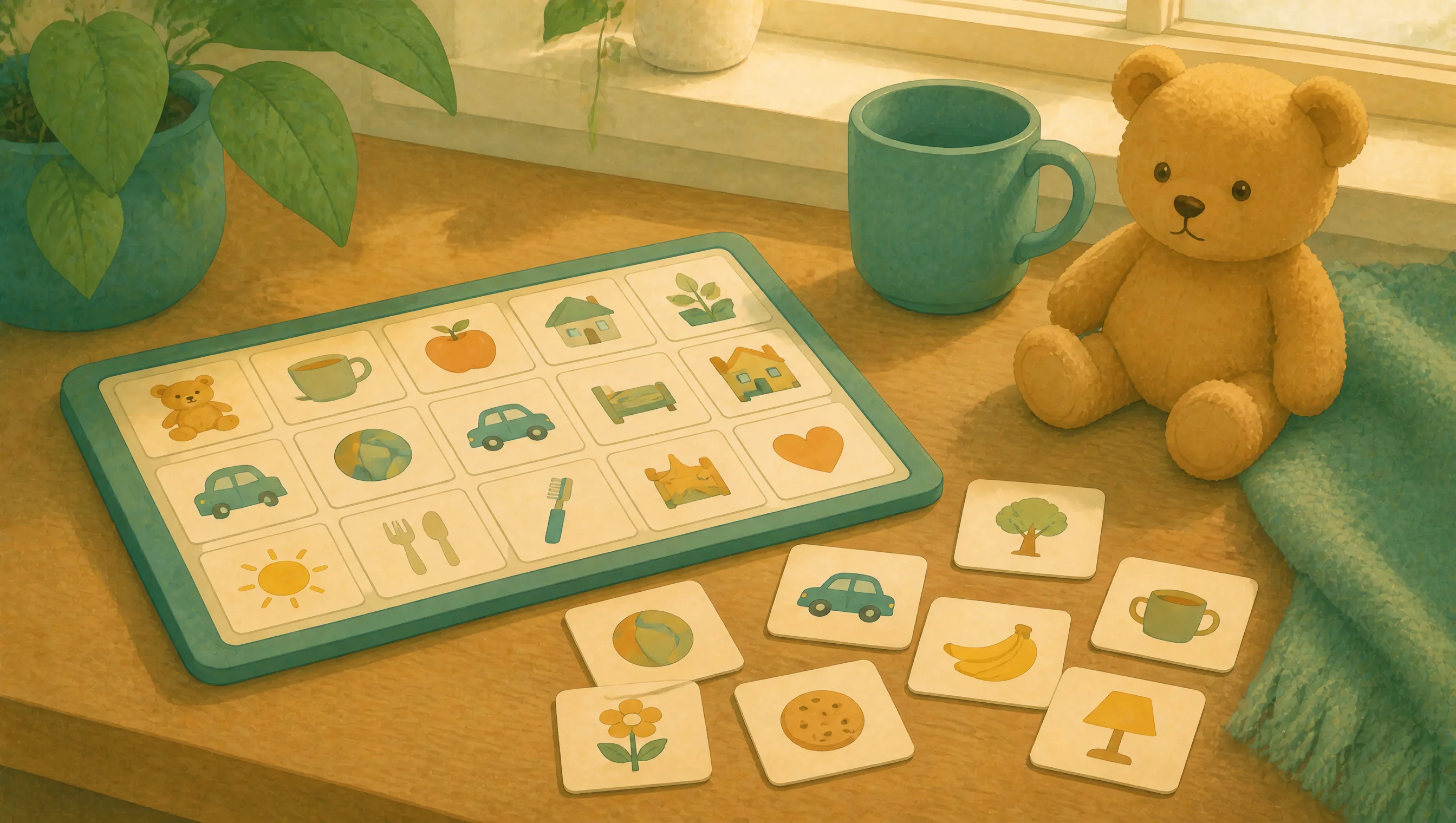
What is AAC and who might benefit from it?
AAC includes low-tech and high-tech ways to support or replace speech. Learn what it can do, who can be assessed and what good provision involves.
Written April 2026

What do I do when my child is left out or falls out with a friend?
Help your child understand what happened, decide whether repair is wanted and recognise when exclusion has become a pattern adults must address.
Written April 2026

How should I communicate when my child is overwhelmed?
Use fewer words, lower the immediate communication load and keep familiar ways to say stop, help, pain and space available.
Written April 2026
How do I make parties, playdates and break times easier?
Reduce the hidden social and sensory work in three common settings, while preserving the child’s choice to join, pause or leave.
Written April 2026

How do I support a child who speaks little or not at all?
Treat the child as a communication partner, notice every reliable method, expand access beyond requests and seek assessment without waiting for speech.
Written April 2026

How do I help with friendships without taking over?
Help with access, preparation and safety while leaving the child free to choose the person, pace and shape of the friendship.
Written April 2026

How do I give instructions my child can follow?
Turn a broad request into a clear first action, make the sequence visible and check whether the task is accessible before repeating it.
Written April 2026
Quick answers from the Blog

Why do group chats cause so much trouble for my child?
Group chats combine speed, missing tone, shifting audiences and visible exclusion. Slow the problem down without demanding total withdrawal.
Written April 2026
The best ways to help an autistic child make one good friend
Make meeting one compatible child easier through shared interest, a manageable setting and support that leaves the relationship to them.
Written November 2025

My child has no friends, how can I help?
Find out whether your child feels lonely, excluded or content with less company, then choose the next step that fits the actual problem.
Written November 2025